Digital Transformation in Oil and Gas: Complete Guide for 2026
The oil and gas industry stands at a digital crossroads. Despite billions invested in digital initiatives over the past decade, 70% of oil and gas companies remain stuck in pilot phase, struggling to scale their digital transformation efforts beyond initial proof-of-concept projects. This statistic reveals a critical gap between digital ambition and execution across the energy sector.
Digital transformation in oil and gas represents more than just technology adoption—it’s a fundamental reimagining of how energy companies operate, compete, and create value. With volatile oil prices, aging infrastructure, and increasing regulatory demands, the pressure to modernize operations has never been more urgent. The companies that successfully navigate this transformation will emerge as industry leaders, while those that don’t risk obsolescence.
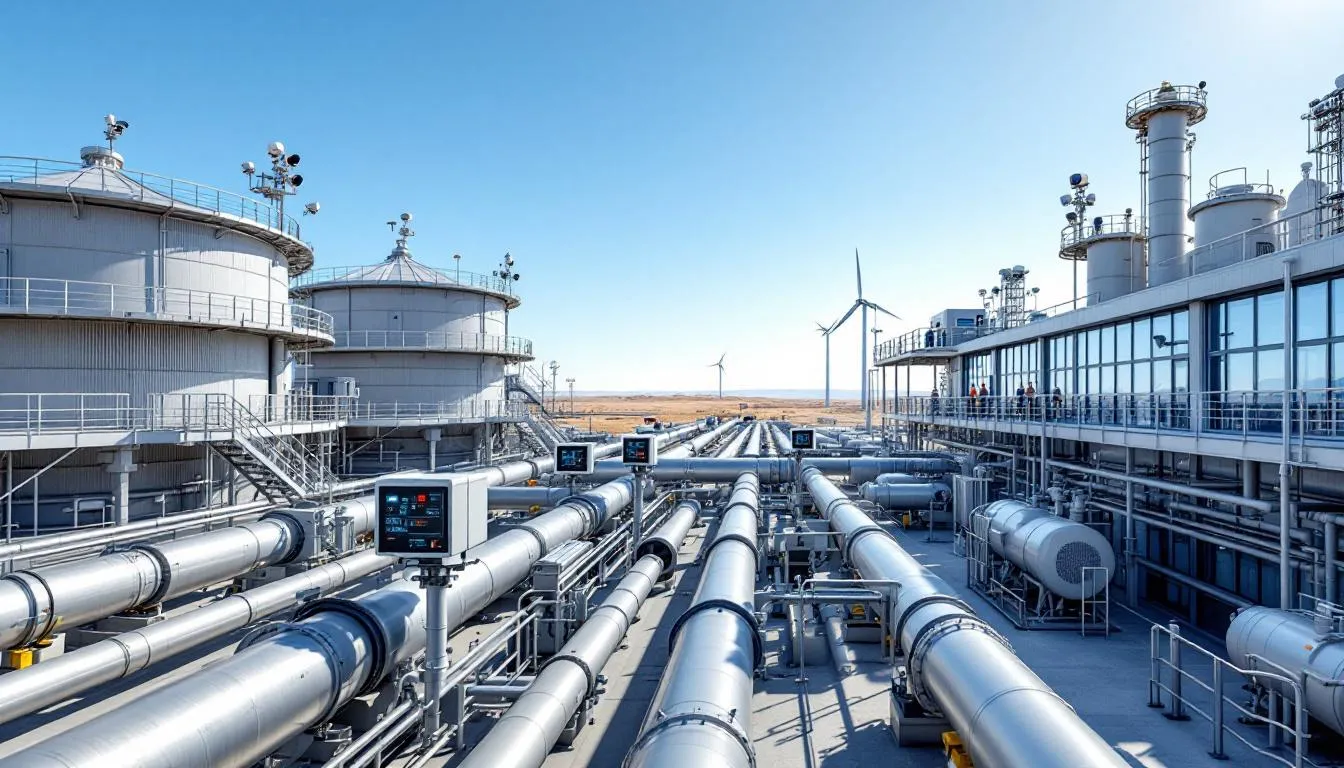
This comprehensive guide examines the current state of digital transformation in oil and gas, explores the key technologies driving change, and provides a practical roadmap for implementation. Whether you’re a C-suite executive planning your digital strategy, a project manager overseeing digital initiatives, or a field technician working with new digital tools, this guide offers actionable insights for your digital transformation journey.
What is Digital Transformation in the Oil and Gas Industry
Digital transformation in the oil and gas industry represents the integration of digital technologies like AI, IoT, cloud computing, and big data across upstream, midstream, and downstream operations. Unlike simple digitization, which merely converts analog processes to digital formats, true digital transformation fundamentally reshapes how oil and gas organizations operate and create value.
The core objective extends beyond technology adoption to transform traditional oil and gas processes to improve efficiency, safety, and profitability. This transformation encompasses all stages of the value chain—from exploration and drilling through transportation, storage, refining, and distribution. For oil and gas companies operating on thin margins and requiring rapid critical decision-making, this transformation becomes particularly crucial.
The key difference from digitization lies in complete business model transformation rather than just technology adoption. Where digitization might involve replacing paper-based reporting with digital systems, digital transformation reimagines entire operational workflows, decision-making processes, and customer interactions. This approach enables oil and gas businesses to leverage emerging technologies for competitive advantage.
Digital transformation in the oil and gas sector gained significant momentum as a response to volatile oil prices, aging infrastructure, and increasing regulatory demands since 2017. The COVID-19 pandemic further accelerated this trend, with remote operations and automated systems becoming essential for business continuity. Today, successful digital transformation represents a strategic imperative for oil and gas organizations seeking to maintain competitiveness in an evolving energy landscape.
Current State of Digital Transformation in Oil and Gas (2024-2025)
The oil and gas industry’s digital transformation progress presents a mixed picture. While investment in new digital tools continues to grow, many oil and gas companies struggle to move beyond experimental phases. According to McKinsey’s 2024 research, 70% of oil and gas companies remain stuck in pilot phase despite multi-year investments in digital technologies.
The global market size reflects this growing commitment to digital change. The oil and gas digital transformation market reached $30.2 billion in 2023, with projections indicating substantial growth through 2029. This investment spans across artificial intelligence, machine learning, cloud computing, and IoT technologies specifically designed for energy sector applications.
COVID-19 served as a significant catalyst, accelerating digital adoption across the gas industry by approximately 40%. The pandemic forced oil and gas operations to implement remote monitoring and automation technologies that previously existed only in planning phases. This acceleration demonstrated the viability of digital solutions while highlighting gaps in existing operational technology infrastructure.
Regional variations in adoption reveal interesting patterns. North American companies lead digital transformation efforts, particularly in shale oil and gas operations where technology adoption directly impacts production efficiency. Middle Eastern firms focus on smart oilfield initiatives, leveraging their substantial capital resources for large-scale digital investments. European oil and gas organizations emphasize sustainability-focused digital solutions as part of broader energy transition strategies.

Digital Maturity Assessment Framework
Understanding where your organization stands requires a structured approach to digital maturity assessment. Leading consulting firms have developed frameworks that evaluate oil and gas companies across four key categories: technology infrastructure, data management, workforce readiness, and organizational culture.
The maturity levels progress through distinct phases. Basic-level organizations rely heavily on manual processes with limited digital tools. Developing-level companies have initiated pilot projects but lack a comprehensive digital strategy. Advanced-level organizations have scaled implementation across multiple business units. Leading-level companies achieve full integration with digital technologies embedded throughout their operations.
Current industry benchmarks reveal sobering realities. The average maturity score across global oil and gas companies stands at 2.3 out of 5.0 in 2024. This suggests most organizations remain in the developing phase, with significant room for advancement. However, top-performing companies achieve scores above 4.0, demonstrating that comprehensive digital transformation is achievable.
Several assessment tools help organizations evaluate their digital readiness. Deloitte’s digital maturity framework provides a structured evaluation across technology, people, and process dimensions. McKinsey’s digital quotient assessment focuses on digital strategy and capabilities. Custom industry evaluations often provide more specific insights for oil and gas operations, considering sector-specific challenges like safety requirements and regulatory compliance.
Maturity Level | Technology Infrastructure | Data Management | Workforce Readiness | Organizational Culture |
|---|---|---|---|---|
Basic (1-2) | Legacy systems, minimal connectivity | Siloed data, manual reporting | Limited digital skills | Resistant to change |
Developing (2-3) | Some modern systems, pilot projects | Basic data integration | Some training programs | Open to pilot projects |
Advanced (3-4) | Integrated platforms, scaled deployment | Centralized data management | Regular upskilling | Supportive of digital initiatives |
Leading (4-5) | Fully connected, AI-enabled | Real-time analytics, predictive insights | Digital-first workforce | Innovation-driven culture |
Key Technologies Driving Oil and Gas Digital Transformation
The technological foundation of gas digital transformation rests on four core pillars that work together to revolutionize oil and gas operations. These technologies have moved beyond experimental phases to deliver measurable business impact across upstream companies and downstream companies alike.
Understanding these technologies and their specific applications enables oil and gas organizations to make informed investment decisions and develop effective digital strategies. Each technology addresses distinct operational challenges while creating synergies when implemented as part of a comprehensive digital transformation program.
1. Artificial Intelligence and Machine Learning
Artificial intelligence represents perhaps the most transformative technology in modern oil and gas operations. AI applications extend far beyond simple automation, enabling predictive insights and autonomous decision-making that fundamentally change how gas companies operate.
Predictive maintenance stands as one of AI’s most successful applications. Advanced machine learning models analyze sensor data from critical equipment to predict equipment failures 2-4 weeks in advance. This capability reduces unplanned downtime by 35%, translating to millions of dollars in avoided production losses for major operations. Companies like Shell have deployed AI-powered predictive maintenance systems across their global upstream operations, achieving remarkable improvements in operational efficiency.
Drilling optimization through machine learning algorithms has revolutionized exploration activities. These systems analyze real-time drilling parameters, geological data, and historical performance to optimize drilling efficiency by 15-20%. The algorithms continuously adjust drilling parameters, mud weight, and bit selection to maximize penetration rates while minimizing equipment wear. ExxonMobil’s implementation of AI drilling optimization has reduced drilling time by 25% across its North American operations.
Seismic data analysis represents another breakthrough application. Traditional geological analysis required months of expert review, but AI systems now process seismic data 100 times faster than conventional methods. Machine learning algorithms identify potential hydrocarbon deposits, assess reservoir characteristics, and optimize well placement with unprecedented accuracy. This acceleration enables faster decision-making in exploration activities.
Production forecasting has achieved new levels of precision through advanced algorithms that predict well performance with over 90% accuracy. These models consider multiple variables, including reservoir characteristics, production history, market conditions, and equipment performance. The resulting forecasts enable better production planning, inventory management, and financial projections.
2. Internet of Things (IoT) and Smart Sensors
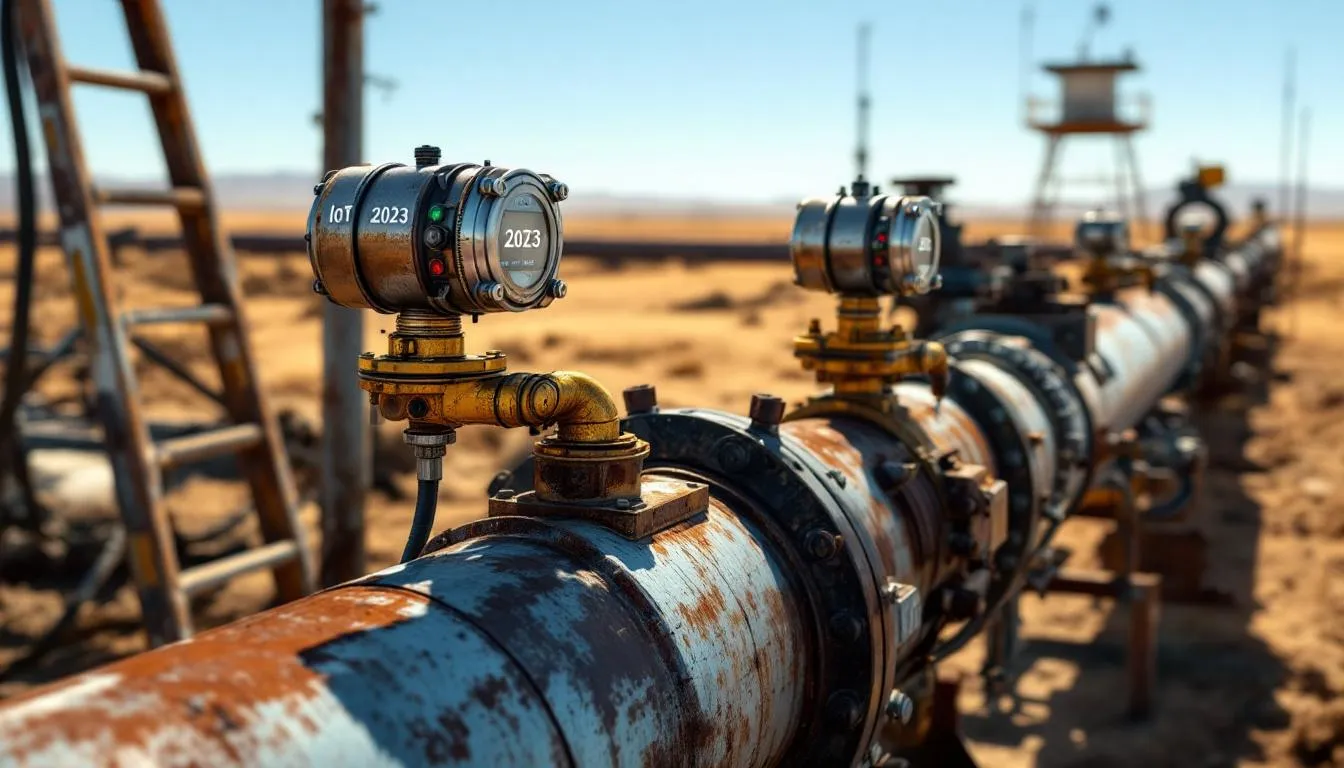
IoT technology creates the connected foundation that enables real time data collection across oil and gas operations. The deployment of smart sensors throughout oil and gas infrastructure generates continuous streams of operational data that feed into analytics platforms and automated control systems.
Pipeline monitoring represents one of IoT’s most critical applications. Major pipeline networks now deploy over 50,000 IoT sensors for leak detection, pressure monitoring, and flow optimization. These sensors provide continuous surveillance of pipeline integrity, enabling immediate detection of anomalies that could indicate leaks or potential failures. The real-time nature of this monitoring dramatically reduces environmental risks while preventing costly product losses.
Wellhead monitoring systems track pressure, temperature, and flow rates with 99.9% uptime across global operations. Wireless sensors eliminate the need for manual readings while providing more frequent and accurate data than traditional monitoring methods. This continuous monitoring enables operators to optimize production parameters in real-time, improving both efficiency and safety.
Equipment health monitoring extends beyond simple parameter tracking to include vibration analysis, thermal imaging, and acoustic monitoring. These advanced sensor systems prevent approximately 80% of catastrophic equipment failures by detecting early warning signs that human operators might miss. The data from these sensors feeds into predictive maintenance algorithms, creating a comprehensive equipment management system.
Environmental monitoring has become increasingly sophisticated with IoT sensor networks that track emissions, air quality, and environmental conditions around oil and gas facilities. These systems provide automated reporting for regulatory compliance while enabling proactive environmental management. Continuous emissions tracking helps companies meet increasingly stringent environmental regulations while supporting their sustainability objectives.
3. Cloud Computing and Edge Computing
Cloud computing provides the scalable infrastructure necessary for processing the massive volumes of data generated by modern oil and gas operations. This technology democratizes access to advanced computing resources while enabling global collaboration and data sharing across business units.
The scalable cloud infrastructure handles petabytes of seismic data, production records, and sensor readings that would overwhelm traditional on-premises systems. Major cloud platforms provide the computational power needed for complex geological modeling, reservoir simulation, and production optimization. This capability enables smaller oil and gas organizations to access advanced analytical tools that were previously available only to major integrated companies.
Edge computing addresses the latency requirements of real-time operations by processing data closer to the source. Remote oil and gas facilities often operate with limited connectivity, making edge computing essential for time-sensitive decisions. Edge systems can reduce processing latency by 60-80%, enabling real-time optimization of drilling parameters, production systems, and safety controls.
Hybrid cloud models combine the benefits of public cloud scalability with private cloud security and control. This approach addresses the oil and gas industry’s unique requirements for data sovereignty, regulatory compliance, and operational continuity. Many energy companies implement hybrid architectures that keep sensitive operational data on private clouds while leveraging public cloud resources for analytics and collaboration.
The cost benefits of cloud migration are substantial, with most oil and gas companies achieving 30-40% reductions in IT infrastructure costs through cloud adoption. These savings result from eliminating hardware maintenance, reducing energy consumption, and optimizing software licensing. The operational benefits include improved disaster recovery, enhanced collaboration capabilities, and faster deployment of new applications.
5. Digital Twins and Simulation Technology
Digital twins represent virtual replicas of physical assets that enable advanced modeling, optimization, and predictive analysis. This technology has particular value in oil and gas operations where physical testing is expensive, dangerous, or impractical.
Asset digital twins create comprehensive virtual models of refineries, offshore platforms, and pipeline systems. These digital replicas incorporate real-time sensor data, historical performance records, and engineering specifications to provide accurate representations of asset behavior. Operators use digital twins to test operational scenarios, optimize maintenance schedules, and predict the impact of operational changes without risking actual equipment.
Reservoir modeling through digital twins enables sophisticated analysis of subsurface hydrocarbon deposits. These 3D models incorporate geological data, production history, and drilling information to optimize recovery strategies. Enhanced oil recovery techniques benefit particularly from digital twin technology, as operators can test injection strategies, well placement options, and production scenarios virtually before implementing costly field changes.
Predictive simulation capabilities enable comprehensive what-if analysis for operational planning and risk assessment. Oil and gas companies use these simulations to evaluate the impact of equipment failures, market changes, and operational modifications. This capability supports strategic decision-making while reducing the risks associated with major operational changes.
The cost savings from digital twins are significant, with most implementations reducing physical testing costs by 50-70%. These savings result from virtual testing of equipment modifications, process changes, and operational procedures. Additionally, digital twins enable faster optimization cycles and more thorough scenario analysis than traditional methods.
Major Benefits and Business Impact
The business impact of digital transformation in oil and gas extends far beyond technology implementation to deliver measurable improvements across all aspects of operations. Leading energy companies report substantial returns on their digital investments, with some achieving payback periods of less than two years for specific digital initiatives.
Understanding these benefits requires examination of both immediate operational improvements and long-term strategic advantages. The most successful digital transformation programs deliver quick wins that build momentum while establishing foundations for sustained competitive advantage.
Operational Efficiency and Cost Reduction
Production optimization through automated systems delivers 5-15% increases in production efficiency across upstream operations. These improvements result from real-time optimization of drilling parameters, production settings, and equipment performance. Automated systems can respond to changing conditions faster than human operators while maintaining optimal performance parameters continuously.
Maintenance cost reductions average 25-30% through predictive analytics and condition-based maintenance programs. Traditional scheduled maintenance often results in premature part replacement or unexpected failures between service intervals. Predictive maintenance systems optimize service timing based on actual equipment condition, reducing both maintenance costs and unplanned downtime.
Energy efficiency improvements of 10-20% are common through smart systems that optimize power consumption, heating, cooling, and processing parameters. Digital control systems can identify energy waste, optimize equipment operation, and adjust processes to minimize energy consumption while maintaining output quality. These improvements have particular value in energy-intensive operations like refining and petrochemical processing.
Inventory optimization through demand forecasting and automated procurement systems reduces spare parts inventory by approximately 40%. Traditional inventory management often results in excess stock of slow-moving items or stockouts of critical components. Advanced analytics enable more accurate demand forecasting while automated systems optimize procurement timing and quantities.
Safety and Risk Management
Safety improvements represent perhaps the most valuable benefit of digital transformation in oil and gas operations. AI-powered risk assessment systems have reduced safety incidents by 60% in leading implementations. These systems continuously monitor operational parameters, environmental conditions, and equipment status to identify potential safety risks before they result in incidents.
Emergency response times have improved by 50% through connected systems that provide immediate notification of safety events. Automated emergency detection systems can identify gas leaks, equipment failures, and other safety hazards faster than manual monitoring. Real-time communication systems ensure that emergency response teams receive immediate notification with detailed information about incident location and severity.
Regulatory compliance has improved dramatically, with 95% reductions in compliance violations through automated monitoring and reporting systems. Digital systems continuously track environmental parameters, safety metrics, and operational conditions to ensure compliance with regulatory requirements. Automated reporting reduces the administrative burden while providing more accurate and timely regulatory submissions.
Environmental impact reductions of 30% in carbon emissions result from optimized operations, improved energy efficiency, and better environmental monitoring. Digital systems enable more precise control of industrial processes, reducing waste and emissions while maintaining production targets. Real-time environmental monitoring helps companies identify and address environmental impacts more quickly than traditional methods.

Implementation Challenges and Solutions
Despite the clear benefits of digital transformation, oil and gas companies face significant challenges in implementing comprehensive digital strategies. Understanding these challenges and proven solutions enables more successful digital transformation programs while avoiding common pitfalls that derail digital initiatives.
The complexity of oil and gas operations, combined with safety requirements and regulatory constraints, creates unique implementation challenges that require specialized approaches. Leading companies have developed proven strategies for overcoming these obstacles while maintaining operational continuity.
Legacy System Integration
The challenge of legacy systems affects 80% of oil and gas companies, with many operating critical systems over 15 years old. These aging systems lack the connectivity and data interfaces required for modern digital integration. Legacy SCADA systems, distributed control systems, and enterprise resource planning platforms often use proprietary protocols that don’t support modern integration approaches.
Integration complexity increases when connecting SCADA, DCS, and ERP systems with modern digital platforms. Each system may use different data formats, communication protocols, and security models. The result is a complex integration challenge that requires specialized expertise and careful planning to avoid disrupting critical operations.
Several proven solution approaches address legacy system integration challenges. API-based integration enables connection between legacy systems and modern platforms without requiring major system modifications. Middleware platforms provide translation services between different system protocols and data formats. Phased migration strategies allow gradual modernization while maintaining operational continuity.
Shell’s integrated data platform demonstrates successful legacy system integration on a global scale. The company connected over 100 legacy systems across its worldwide operations, creating a unified data environment that enables advanced analytics and optimization. This integration required a three-year implementation program but has delivered substantial operational improvements and cost savings.
Cybersecurity and Data Protection
Security threats in the oil and gas industry have increased by 300% since 2020, making cybersecurity a critical concern for digital transformation programs. The convergence of operational technology and information technology creates new attack vectors that didn’t exist in traditional operations. Cybercriminals increasingly target oil and gas infrastructure, recognizing the potential for significant disruption and financial impact.
Critical vulnerabilities emerge from OT/IT convergence, where operational control systems connect to corporate networks and cloud platforms. Traditional operational systems were designed as air-gapped networks with limited external connectivity. Digital transformation requires increased connectivity, creating potential pathways for cyberattacks to reach critical operational systems.
Protection strategies focus on zero-trust architecture, network segmentation, and continuous monitoring. Zero-trust models require authentication and authorization for all network access, regardless of user location or device type. Network segmentation isolates critical operational systems from general corporate networks. Continuous monitoring detects unusual network activity that might indicate security threats.
Compliance requirements add complexity to cybersecurity programs. NERC CIP standards regulate cybersecurity for electric utilities and some oil and gas operations. ISO 27001 provides frameworks for information security management. Industry-specific security standards address unique oil and gas security requirements while maintaining interoperability with broader cybersecurity frameworks.
Workforce Skills and Change Management
A significant skills gap affects 65% of oil and gas professionals who lack the digital skills required for effective digital transformation. Traditional oil and gas careers focused on mechanical engineering, geology, and operations management. Digital transformation requires new skills in data analytics, artificial intelligence, cybersecurity, and digital project management.
Training programs address skill gaps through multiple approaches. Virtual reality training provides safe, realistic environments for learning new digital tools and procedures. Digital twin simulations enable hands-on learning without risking actual equipment or operations. Online learning platforms provide flexible access to technical training that fits with demanding operational schedules.
Change management becomes critical for overcoming resistance to new digital tools and processes. The ADKAR model (Awareness, Desire, Knowledge, Ability, Reinforcement) provides a structured approach to individual change management. Digital champions programs identify enthusiastic early adopters who can help influence broader organizational acceptance. Cultural transformation initiatives address underlying beliefs and attitudes that might resist digital change.
Retention strategies focus on upskilling existing workers rather than replacing them with new hires. Experienced oil and gas professionals possess valuable domain knowledge that combines effectively with new digital skills. Comprehensive upskilling programs enable companies to retain experienced workers while building digital capabilities throughout the organization.
Real-World Implementation Examples and Case Studies
Successful digital transformation in oil and gas requires more than technology deployment—it demands comprehensive organizational change, strategic planning, and sustained commitment. These real-world examples demonstrate how leading energy companies have achieved measurable results through systematic digital transformation programs.
The following case studies provide specific implementation details, investment amounts, and measurable outcomes that illustrate the potential returns from successful digital transformation initiatives. These examples span upstream and downstream operations, showing how different segments of the oil and gas industry can benefit from digital technologies.
1. Upstream Digital Transformation Cases
BP’s digital twin initiative represents one of the oil and gas industry’s largest and most successful digital transformation projects. The company invested $2 billion in creating comprehensive digital replicas of their North Sea operations, resulting in a 15% production increase across multiple platforms. The digital twins integrate real-time sensor data with historical performance records and predictive models to optimize production parameters continuously.
The implementation involved deploying thousands of IoT sensors across offshore platforms, connecting legacy control systems through middleware platforms, and developing custom analytics applications for production optimization. Project managers coordinated across multiple business units to ensure consistent implementation standards and data integration approaches. The digital transformation journey required three years of intensive development and deployment, with results becoming visible in the second year of operation.
ExxonMobil’s AI drilling program demonstrates how machine learning can revolutionize drilling operations. The company’s digital strategy focused on reducing drilling time and improving well placement accuracy through real-time optimization algorithms. Advanced analytics process drilling data continuously, adjusting parameters like drilling speed, mud weight, and bit selection to maximize efficiency.
The program achieved a 25% reduction in drilling time using machine learning optimization across their North American operations. This improvement translates to millions of dollars in cost savings per well while reducing environmental impact through more efficient operations. The success led to the expansion of the AI drilling program to international operations, with similar results achieved in different geological conditions.
Chevron’s IoT sensor network demonstrates the scale possible in digital transformation programs. The company deployed over 50,000 connected devices to monitor global upstream assets, creating one of the industry’s most comprehensive operational technology networks. These sensors track everything from wellhead pressure to equipment vibration, providing unprecedented visibility into operational performance.
The sensor network feeds into centralized analytics platforms that provide real-time operational control and predictive maintenance capabilities. Field technicians use mobile applications to access sensor data, maintenance schedules, and performance trends. The system has improved operational efficiency while reducing safety risks through early detection of equipment problems and environmental hazards.
Shell’s predictive maintenance program leverages artificial intelligence and machine learning to optimize equipment maintenance across their global operations. The program analyzes data from hundreds of thousands of sensors to predict equipment failures before they occur. This capability has generated $100 million in annual savings through reduced unplanned downtime and optimized maintenance scheduling.
The implementation required developing custom AI algorithms, integrating data from legacy systems, and training maintenance teams to use predictive insights. Change management programs helped field technicians transition from reactive maintenance approaches to predictive maintenance strategies. The success of the program led to expansion beyond maintenance to include production optimization and safety management applications.

2. Downstream and Refining Digital Projects
Saudi Aramco’s smart refinery initiative showcases how artificial intelligence can optimize complex refining processes. The company implemented AI-powered optimization systems that increased refining efficiency by 12% while reducing energy consumption and emissions. The digital platform continuously adjusts process parameters to optimize yield, quality, and energy efficiency based on feedstock characteristics and market conditions.
The implementation involved upgrading control systems, installing advanced sensors, and developing machine learning algorithms specific to refining operations. The gas digital transformation program required coordination between process engineers, data scientists, and operations teams to ensure optimal results. The success has influenced the design of new refinery projects and upgrades to existing facilities.
Phillips 66’s digital transformation focused on advanced process control systems that optimize refinery operations in real-time. The company invested $200 million in upgrading control systems, implementing advanced analytics, and training personnel to use new digital tools. The program improved operational efficiency while reducing variability in product quality and reducing environmental emissions.
The digital initiatives included implementing new digital tools for process optimization, predictive maintenance, and supply chain management. Business units worked together to ensure consistent implementation standards and data integration across multiple refinery locations. The program demonstrates how comprehensive digital transformation can deliver benefits across entire organizations rather than isolated improvements.
Valero’s predictive analytics platform addresses one of refining’s most significant challenges: unplanned maintenance events that disrupt production schedules. The company developed machine learning algorithms that analyze equipment data to predict maintenance needs, resulting in a 30% reduction in unplanned maintenance events. This improvement has significant financial impact due to the high costs of refinery shutdowns.
The platform integrates data from thousands of sensors, maintenance records, and operational logs to identify patterns that predict equipment failures. Maintenance teams receive early warnings about potential problems, enabling planned maintenance during scheduled shutdowns rather than emergency repairs during production runs. The system has improved both operational efficiency and worker safety by reducing emergency maintenance situations.
Total’s connected worker program demonstrates how digital technologies can improve human performance and safety in refining operations. The company implemented augmented reality systems that provide maintenance technicians with real-time access to equipment information, maintenance procedures, and safety guidelines. This technology improved maintenance productivity by 40% while reducing safety incidents.
The augmented reality systems overlay digital information onto physical equipment, helping technicians identify components, access maintenance procedures, and document work completion. The technology is particularly valuable for complex maintenance tasks and training new technicians. The success of the program has led to expansion beyond maintenance to include operations, inspection, and training applications.
Future Trends and Emerging Technologies (2025-2030)
The next five years will bring transformational changes to the oil and gas industry as emerging technologies mature and new digital capabilities become available. Understanding these trends enables oil and gas organizations to plan their digital investments strategically while preparing for the competitive landscape of the next decade.
These future trends extend beyond incremental improvements to existing technologies, encompassing breakthrough capabilities that could fundamentally reshape how the gas industry operates. Early preparation for these changes will determine which companies emerge as leaders in the digitally transformed energy sector.
Advanced Analytics and Autonomous Operations
Autonomous drilling represents the next frontier in upstream operations, with fully automated drilling systems expected by 2027. These systems will use artificial intelligence, machine learning, and real-time analytics to make drilling decisions without human intervention, potentially delivering 50% efficiency gains compared to current operations. Early pilot projects demonstrate the feasibility of autonomous drilling in specific conditions, with broader deployment expected as technology matures and regulatory frameworks adapt.
The development of autonomous drilling requires advances in several areas including real-time geological analysis, automated equipment control, and safety systems that can respond to unexpected conditions. Gas companies investing in autonomous drilling capabilities today will be positioned to capture significant competitive advantages as these systems become commercially viable.
Cognitive computing systems will enable AI to make complex operational decisions without human intervention. These systems go beyond current predictive analytics to autonomous decision-making that considers multiple variables, operational constraints, and business objectives. Cognitive systems will manage production optimization, maintenance scheduling, and resource allocation while learning from operational experience to improve performance over time.
The implications of cognitive computing extend throughout oil and gas operations, from upstream production management to downstream supply chain optimization. Organizations developing cognitive computing capabilities will achieve new levels of operational efficiency while reducing the need for human involvement in routine operational decisions.
Advanced robotics will transform inspection, maintenance, and operations in hazardous environments. Inspection robots will perform detailed equipment assessments in environments that are dangerous or inaccessible to human workers. Autonomous vehicles will handle material transport, equipment delivery, and routine operations tasks. These technologies will improve safety while reducing operational costs in remote or dangerous locations.
The integration of robotics with artificial intelligence and machine learning will enable sophisticated autonomous operations. Robots will not simply follow programmed instructions but adapt to changing conditions, learn from experience, and coordinate with other automated systems to optimize overall operational performance.
5G networks and edge computing will enable ultra-low latency communications that support real-time control systems across distributed oil and gas operations. This connectivity will make autonomous operations practical in remote locations while enabling new applications like real-time reservoir management and instantaneous safety response systems.
Sustainability and Energy Transition Technologies
Carbon capture integration will become a critical component of digital transformation as oil and gas companies address climate change requirements. Digital platforms will optimize CCUS (Carbon Capture, Utilization, and Storage) operations with 95% efficiency through real-time monitoring, predictive control, and automated optimization. These systems will manage the complex processes of carbon capture while integrating with existing oil and gas operations.
The digital platforms managing carbon capture will need to coordinate with production systems, transportation networks, and storage facilities. Machine learning algorithms will optimize capture efficiency while minimizing energy consumption and operational costs. This integration represents a significant opportunity for oil and gas companies to reduce their environmental impact while maintaining operational efficiency.
Hydrogen production monitoring will require sophisticated digital systems to manage both blue hydrogen (produced from natural gas with carbon capture) and green hydrogen (produced from renewable electricity) facilities. IoT sensors and artificial intelligence will monitor production processes, optimize efficiency, and ensure safety in hydrogen operations. Gas operations will increasingly include hydrogen production as part of energy transition strategies.
Digital systems for hydrogen production will need to integrate with existing gas operations while managing the unique safety and operational requirements of hydrogen handling. Real-time monitoring and control systems will ensure safe hydrogen production while optimizing efficiency and product quality. These capabilities will become increasingly important as hydrogen demand grows in transportation, industrial, and power generation applications.
Renewable energy integration will require smart grid technologies that connect oil and gas facilities with renewable energy sources. Digital platforms will manage the variable nature of renewable energy while maintaining reliable power for critical operations. Battery storage systems, managed by sophisticated control algorithms, will smooth renewable energy output while providing backup power for essential systems.
The integration of renewable energy with oil and gas operations presents both opportunities and challenges. Digital systems will need to balance renewable energy utilization with operational requirements while maintaining safety and reliability standards. Gas organizations that successfully integrate renewable energy will reduce operating costs while improving their environmental performance.
Circular economy platforms will emerge as digital marketplaces for waste-to-energy conversion and recycling optimization. These platforms will connect oil and gas companies with waste processors, renewable energy developers, and recycling facilities to optimize resource utilization. Machine learning algorithms will identify opportunities for waste conversion while optimizing logistics and processing efficiency.
Digital platforms supporting circular economy initiatives will help oil and gas companies reduce waste disposal costs while generating new revenue streams from waste materials. These systems will track material flows, optimize processing methods, and manage complex supply chains for waste conversion and recycling operations.
Strategic Implementation Roadmap
Successful digital transformation requires a structured approach that balances quick wins with long-term strategic objectives. This three-phase implementation framework provides a practical roadmap for oil and gas organizations seeking to achieve successful digital transformation while managing risks and maintaining operational continuity.
The strategic implementation roadmap recognizes that digital transformation is not a single project but an ongoing organizational evolution that requires sustained commitment, adequate resources, and strong leadership. Each phase builds upon previous accomplishments while preparing foundations for subsequent advances.
Phase 1: Foundation Building (Months 1-12)
Digital strategy development represents the critical first step in any transformation program. Organizations must create a comprehensive business case that aligns digital initiatives with strategic business objectives while securing stakeholder commitment across all business units. The digital strategy should identify specific use cases, quantify expected benefits, and establish clear success metrics for measuring progress.
Effective digital strategy development requires input from operations teams, IT professionals, and senior leadership to ensure alignment between technical capabilities and business requirements. The strategy should address both immediate operational improvements and long-term competitive positioning while considering industry trends and regulatory requirements. Project managers should establish governance frameworks that guide decision-making throughout the transformation program.
Infrastructure assessment provides the foundation for all subsequent digital initiatives. Current state analysis must evaluate existing systems, data management capabilities, and operational technology infrastructure to identify gaps that could impede digital transformation. This assessment should include legacy systems, network connectivity, cybersecurity capabilities, and data management practices.
The infrastructure assessment should also evaluate workforce digital skills, organizational culture, and change management readiness. Understanding these organizational factors is critical for planning training programs, communication strategies, and change management approaches that will support successful technology adoption. The assessment results inform technology selection, implementation priorities, and resource allocation decisions.
Pilot project selection focuses on identifying low-risk, high-impact initiatives that can demonstrate value quickly while building organizational confidence in digital transformation. Successful pilots should address clear business problems with measurable outcomes while requiring minimal integration with critical operational systems. These projects serve as learning opportunities for the organization while generating early returns on digital investments.
Effective pilot projects often focus on specific operational challenges like predictive maintenance, production optimization, or safety monitoring. The projects should be large enough to demonstrate meaningful business impact but small enough to manage effectively with available resources. Success criteria should be clearly defined with regular progress reviews to ensure projects remain on track.
Governance framework establishment creates the organizational structure needed to manage digital transformation effectively. This includes forming a digital transformation office with clear authority and accountability for driving change across the organization. The governance framework should establish decision-making processes, resource allocation methods, and communication protocols that support coordinated implementation.
Change management structure development addresses the human aspects of digital transformation. This includes identifying digital champions throughout the organization, developing communication strategies that keep all stakeholders informed, and establishing training programs that build digital skills across all levels of the organization. Effective change management is often the difference between successful transformation and failed technology implementations.
Phase 2: Scale and Expansion (Months 12-36)
Technology platform deployment represents the major infrastructure investment phase where organizations implement core digital systems that will support enterprise-wide digital transformation. This includes deploying cloud platforms, implementing data integration systems, and establishing analytics capabilities that can scale across multiple business units and operational locations.
Core systems integration requires careful planning to connect new digital platforms with existing operational systems while maintaining business continuity. This integration often involves middleware development, API creation, and data migration projects that can be complex and time-consuming. Project plan development should include detailed testing protocols, rollback procedures, and contingency planning to address potential integration challenges.
Data architecture development establishes the foundation for advanced analytics and artificial intelligence applications. This includes implementing data lakes or warehouses that can handle the massive volumes of operational data generated by oil and gas operations. The data architecture should support real-time data processing, historical analysis, and predictive modeling while maintaining data security and regulatory compliance.
Effective data architecture requires standardizing data formats, establishing data governance policies, and implementing data quality management processes. These capabilities are essential for supporting advanced analytics and machine learning applications that depend on high-quality, consistent data. The architecture should be designed to scale as data volumes and analytical requirements grow over time.
Workforce transformation initiatives scale beyond initial training programs to comprehensive digital skills development across the entire organization. This includes establishing partnerships with educational institutions, developing internal training capabilities, and creating career development paths that incorporate digital skills requirements. The goal is to build consistent digital fluency throughout the organization.
Digital skills development should address both technical capabilities and cultural adaptation to new ways of working. Training programs should be practical and relevant to specific job functions while building general digital literacy across all employees. Regular skills assessments help identify gaps and adjust training programs to meet evolving requirements as new technologies are deployed.
Process automation focuses on digitizing critical business processes that can benefit from improved efficiency, accuracy, and consistency. This includes automating routine tasks, implementing workflow management systems, and deploying robotic process automation where appropriate. Process automation should be approached systematically with clear priorities based on business impact and implementation complexity.
Workflow optimization often reveals opportunities for process improvement beyond simple automation. Digital transformation provides opportunities to redesign processes that may have evolved inefficiently over time. Organizations should approach process automation as an opportunity to implement best practices while eliminating unnecessary steps and reducing processing time.
Performance monitoring systems establish the metrics and dashboards needed to measure digital transformation progress and business impact. This includes implementing real-time monitoring capabilities, establishing key performance indicators, and creating reporting systems that provide visibility into operational performance. These systems should support both operational management and strategic decision-making.
Continuous improvement processes ensure that digital systems continue to deliver value over time through regular review and optimization. This includes establishing feedback mechanisms, implementing regular system reviews, and maintaining upgrade schedules that keep systems current with evolving technology capabilities. The goal is to ensure that digital investments continue to deliver increasing value as the organization gains experience with new technologies.
Phase 3: Advanced Integration (Months 36-60)
AI and analytics deployment represents the advanced capabilities phase, where organizations implement sophisticated artificial intelligence and machine learning systems for predictive insights and autonomous operations. These systems build upon the data foundations and infrastructure investments made in previous phases to deliver advanced capabilities like predictive maintenance, autonomous optimization, and intelligent decision support.
Advanced algorithm development requires specialized expertise in data science, machine learning, and domain-specific applications. Organizations may need to partner with technology vendors, academic institutions, or specialized consultants to develop AI capabilities that address their specific operational requirements. The algorithms should be designed to learn from operational experience and improve performance over time.
Predictive insights enable proactive management of operations, maintenance, and business activities through sophisticated forecasting and optimization algorithms. These capabilities allow organizations to anticipate problems before they occur, optimize resource allocation based on predicted demand, and make strategic decisions supported by data-driven analysis. The systems should integrate seamlessly with existing operational processes and decision-making frameworks.
Automation capabilities at this phase go beyond simple process automation to include autonomous systems that can operate with minimal human intervention. This includes automated production optimization, autonomous maintenance scheduling, and intelligent supply chain management. These systems should be designed with appropriate safety controls and human oversight capabilities.
Ecosystem integration extends digital transformation beyond organizational boundaries to include supply chain partners, customers, and industry partners. This includes implementing digital connections with suppliers, contractors, and service providers that enable coordinated operations and shared data insights. The goal is creating digital ecosystems that deliver value beyond what individual organizations can achieve independently.
Supply chain digitization creates end-to-end visibility and coordination across complex oil and gas supply networks. This includes implementing track-and-trace capabilities, automated procurement systems, and collaborative planning platforms that optimize supply chain performance while reducing costs and improving reliability. Digital supply chains are more resilient and responsive to changing conditions than traditional approaches.
Partner integration enables shared operations, coordinated maintenance, and collaborative optimization across joint ventures and partnerships common in the oil and gas industry. Digital platforms can facilitate information sharing, coordinate activities, and optimize performance across organizational boundaries while maintaining appropriate security and confidentiality controls.
Customer digital connections transform how oil and gas companies interact with their customers through digital platforms, mobile applications, and automated service delivery. This includes providing customers with better visibility into service delivery, enabling self-service capabilities, and delivering personalized services based on customer data and preferences.
Innovation acceleration establishes capabilities for ongoing technology adoption and R&D digital platform development. This includes creating innovation labs, establishing partnerships with technology startups, and developing internal capabilities for evaluating and implementing emerging technologies. The goal is ensuring that the organization maintains its competitive advantage as new technologies emerge.
Emerging technology adoption requires systematic processes for identifying, evaluating, and implementing new technologies that could provide competitive advantages. This includes monitoring technology trends, conducting pilot programs, and maintaining relationships with technology vendors and research institutions. Organizations should balance innovation with operational stability while maintaining focus on business value creation.
R&D digital platforms enable accelerated development of new products, services, and operational capabilities through virtual collaboration, simulation tools, and data-driven development processes. These platforms can reduce development time and costs while improving the quality and effectiveness of innovation activities.
Business model evolution represents the ultimate outcome of successful digital transformation where organizations develop new digital revenue streams and service offerings that weren’t possible with traditional operations. This might include data-as-a-service offerings, digital marketplace participation, or entirely new business models enabled by digital capabilities.
New digital revenue streams can include selling operational insights to industry partners, providing digital services to other companies, or developing platform-based business models that connect various industry participants. These opportunities often emerge organically as organizations develop advanced digital capabilities and identify unmet market needs.
Service offerings evolution transforms oil and gas companies from pure commodity producers to service providers that deliver value through expertise, technology, and data insights. This transformation can provide more stable revenue streams and higher margins than traditional commodity-based business models while leveraging the digital investments made throughout the transformation program.
The strategic implementation roadmap provides a structured approach to digital transformation that builds capabilities systematically while delivering measurable business value at each phase. Success depends on sustained commitment, adequate resource allocation, and strong leadership throughout the multi-year transformation journey. Organizations that follow this roadmap while adapting it to their specific circumstances will be positioned to capture the full benefits of digital transformation in oil and gas operations.
The time for pilot projects and experimental digital initiatives has passed. Today’s oil and gas industry demands comprehensive, strategic digital transformation that delivers measurable business results while preparing organizations for the future of energy operations. Companies that embrace this challenge will emerge as leaders in an increasingly digital industry, while those that delay risk losing their competitive position in a rapidly evolving marketplace.
What should you do next?
Thanks for reading till the end. Here are 3 ways we can help you automate your business:

Do better workflow automation with Cflow
Create workflows with multiple steps, parallel reviewals. auto approvals, public forms, etc. to save time and cost.

Talk to a workflow expert
Get a 30-min. free consultation with our Workflow expert to optimize your daily tasks.

Get smarter with our workflow resources
Explore our workflow automation blogs, ebooks, and other resources to master workflow automation.