Digital Transformation in Manufacturing: The Complete 2026 Guide
The manufacturing industry is experiencing unprecedented change as companies worldwide accelerate their digital transformation efforts to remain competitive in an increasingly complex global marketplace. With manufacturers’ spending on digital transformation projected to reach $1 trillion by 2031, growing at an impressive 17-24% annually, the question is no longer whether to embrace digital transformation, but how quickly and effectively it can be implemented.
This comprehensive guide explores everything manufacturing companies need to know about successful digital transformation, from core technologies and measurable benefits to implementation strategies and real-world success stories. Whether you’re just beginning your digital transformation journey or looking to optimize existing digital solutions, understanding these fundamentals is critical for manufacturing businesses seeking to thrive in the modern industrial landscape.
What Is Digital Transformation in Manufacturing?
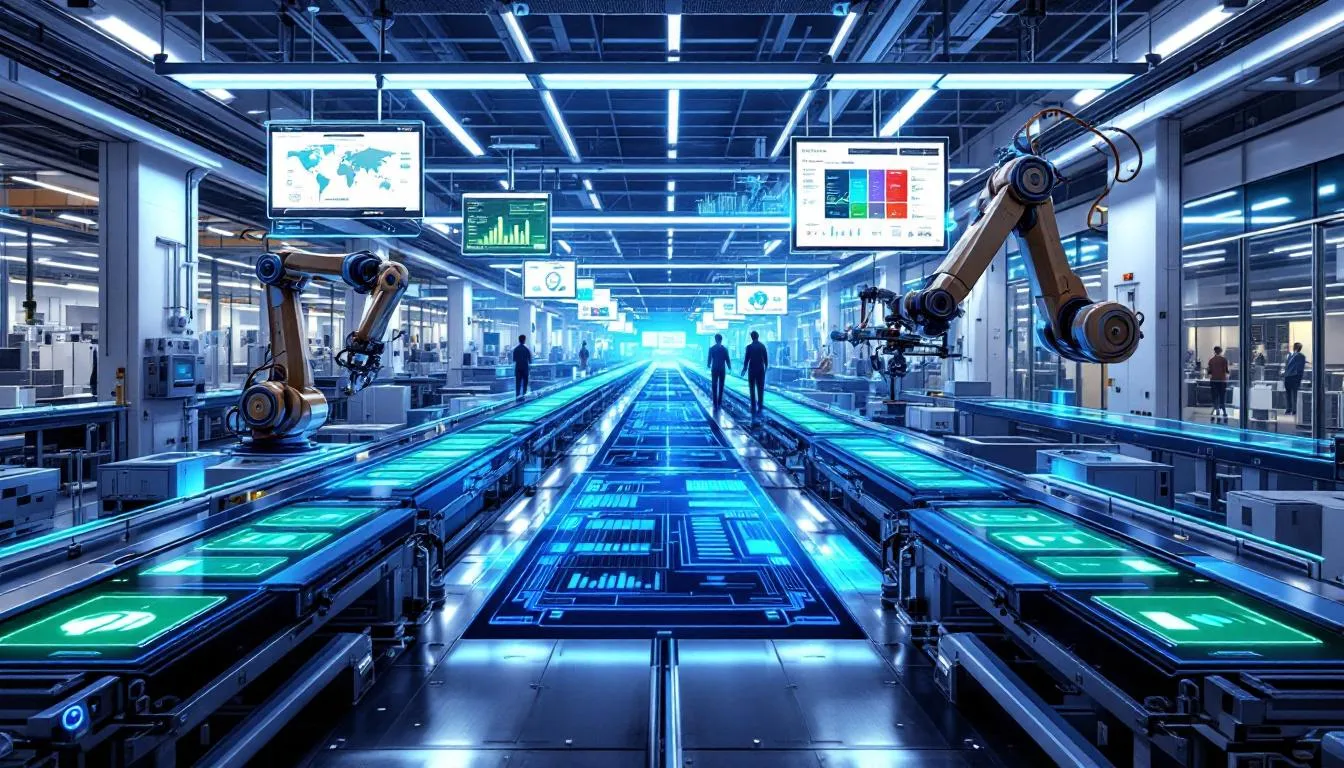
Digital transformation in manufacturing represents the comprehensive integration of advanced digital technologies—including cloud computing, artificial intelligence, IoT devices, automation systems, and data analytics—into every aspect of manufacturing processes and business operations. This transformation modernizes production from traditional manual processes to smart, connected systems that leverage real time data and intelligent automation.
The shift towards smart manufacturing embodies Industry 4.0 principles, where interconnected systems create a seamless flow of information across the entire manufacturing environment. Unlike simple technology upgrades, manufacturing digital transformation fundamentally reimagines how production processes operate, how supply chains connect, and how manufacturers deliver value to customers.
At its core, digital transformation in manufacturing involves transitioning from analog, paper-based processes to digitally-driven systems that generate continuous data streams for ongoing process improvement. This transformation enables manufacturers to create fully connected ecosystems where every element of the value chain generates and utilizes data seamlessly, from the factory floor to supply chain management and customer engagement.
The ultimate objective extends beyond operational efficiency—successful digital transformation positions manufacturing companies to deliver greater value to customers while building resilience against supply chain disruptions, reducing energy consumption, and maintaining competitive advantages in rapidly evolving markets.
Why Digital Transformation Is Critical for Today’s Manufacturers
Today’s manufacturing companies face unprecedented market pressures that make digital transformation initiatives not just beneficial but essential for survival. The convergence of multiple disruptive forces is reshaping the manufacturing landscape at an accelerated pace.
Supply chain disruptions have become a persistent challenge, with manufacturers needing real-time visibility and agility to navigate global uncertainties. Traditional supply chains lack the flexibility to respond quickly to changing conditions, while digital solutions enable predictive analytics and alternative sourcing strategies that maintain production continuity.
The labor shortage crisis presents another critical driver for digital transformation efforts. The manufacturing industry faces a projected 2.1 million unfilled manufacturing jobs by 2030, creating an urgent need for automation and digital tools to maintain production capacity. Digital technologies help manufacturers address this gap through intelligent automation and enhanced labor productivity.
Geopolitical factors are driving significant shifts toward reshoring, nearshoring, and friendshoring trends, requiring manufacturers to quickly establish new production capabilities and supply chain networks. Digital transformation provides the agility and scalability needed to adapt to these geographic realignments while maintaining operational efficiency.
Customer expectations have evolved beyond traditional product quality metrics to include personalized experiences, faster delivery times, and enhanced customer satisfaction through real-time order tracking and responsive customer support. Meeting these expectations requires integrated digital systems that connect production processes directly to customer engagement platforms.
Environmental sustainability mandates, including SASB and ISO 14001 standards, are becoming mandatory for manufacturers across industries. Digital transformation enables precise monitoring of energy consumption, waste reduction, and compliance reporting that traditional systems cannot provide.
Despite these compelling drivers, only one-third of manufacturers have moved beyond planning stages in their digital transformation process, creating significant competitive opportunities for early adopters who can leverage advanced technologies to capture market share and operational advantages.
Core Technologies Driving Manufacturing Digital Transformation
The foundation of successful digital transformation rests on several key technologies that work synergistically to transform manufacturing operations and enable smart manufacturing capabilities.
Industrial Internet of Things (IIoT)
The industrial internet connects machinery, sensors, and devices across the factory floor to collect and share real time data throughout manufacturing environments. IIoT technology enables comprehensive monitoring of production processes, equipment performance, and environmental conditions through connected sensors, RFID systems, and smart devices. This connectivity provides the data foundation necessary for predictive maintenance, quality control, and operational optimization initiatives.
Artificial Intelligence and Machine Learning
Artificial intelligence and machine learning technologies analyze vast amounts of manufacturing data to uncover patterns, optimize production processes, and enable predictive analytics capabilities. These digital technologies transform reactive maintenance approaches into proactive strategies, automate quality control inspections beyond human capability, and optimize complex processes through continuous learning algorithms. Machine learning applications enable manufacturers to forecast demand accurately, detect quality issues in real time, and optimize resource allocation across manufacturing operations.
Cloud Computing
Cloud computing platforms provide scalable infrastructure that allows manufacturing companies to access data and applications from anywhere while reducing technology infrastructure costs and complexity. Cloud solutions enable real-time collaboration across manufacturing networks, provide flexible storage for big data analytics, and support multi-cloud strategies that prevent vendor lock-in while optimizing performance and cost savings.
Automation and Robotics
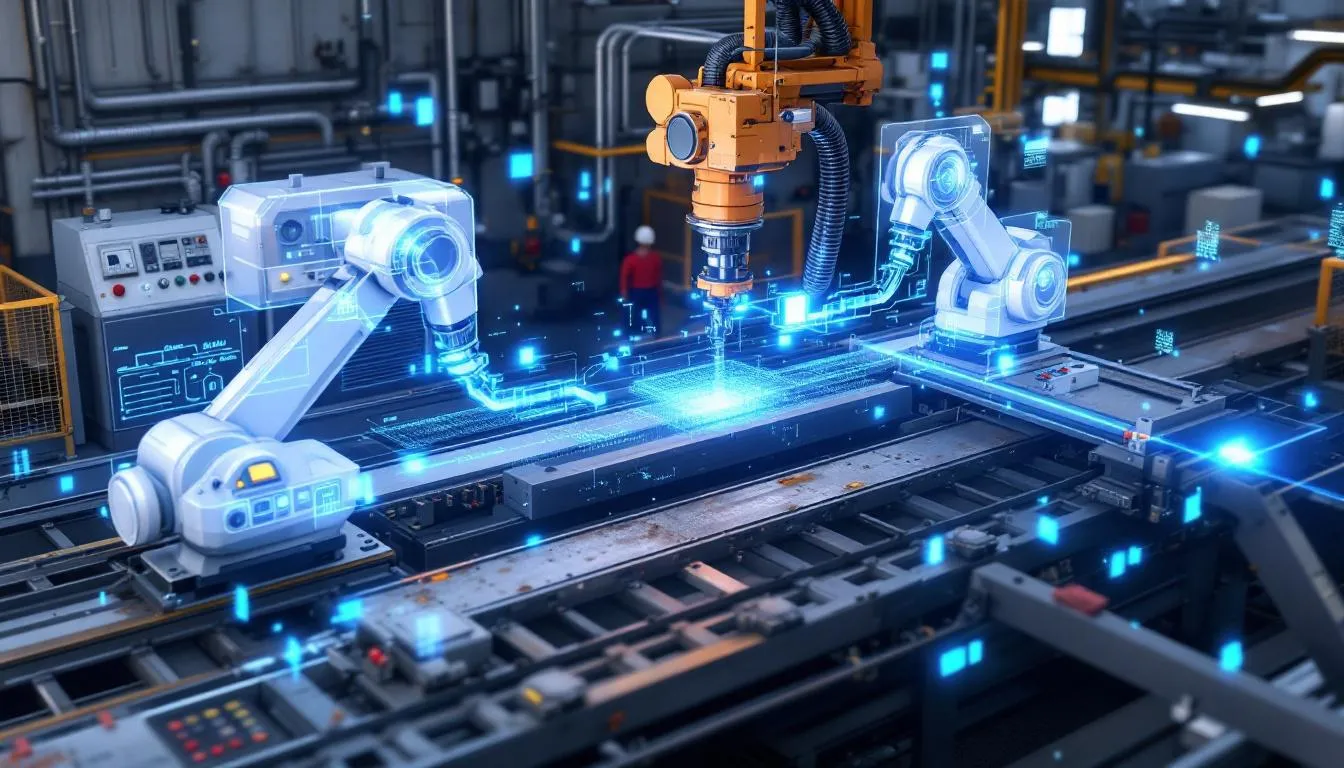
Advanced automation and robotic systems increase precision, reduce human errors, and boost labor productivity, particularly for repetitive tasks and hazardous work environments. Collaborative robots work alongside human workers to enhance manufacturing workflows while improving workplace safety. Robotic systems enable manufacturers to maintain consistent product quality while scaling production capacity without proportional increases in labor costs.
Digital Twins
Digital twin technology creates virtual replicas of physical assets, production processes, or entire manufacturing facilities for simulation, testing, and optimization before physical implementation. This technology enables manufacturers to test scenarios, optimize production parameters, and predict equipment behavior without disrupting actual operations. Digital twins support predictive maintenance strategies and allow manufacturers to experiment with process improvements in virtual environments before investing in physical changes.
Additive Manufacturing (3D Printing)
Additive manufacturing enables on-demand production, rapid prototyping, and mass customization capabilities that traditional manufacturing methods cannot efficiently provide. 3D printing technology reduces material waste, enables complex geometries, and supports flexible production schedules that respond quickly to customer demands. This technology is particularly valuable for low-volume, high-complexity parts and rapid product development cycles.
Augmented Reality (AR) and Virtual Reality (VR)
AR and VR technologies provide immersive training environments, maintenance assistance, and quality control capabilities that enhance worker effectiveness and reduce training time. These digital tools enable remote monitoring and expert assistance, reducing downtime and improving first-time fix rates for complex equipment maintenance. AR applications can overlay digital instructions onto physical equipment, guiding workers through complex procedures while reducing errors.


Key Benefits of Digital Transformation in Manufacturing
Successful digital transformation delivers measurable improvements across multiple dimensions of manufacturing performance. Research demonstrates that manufacturers can achieve 10-30% throughput increases, 10-20% quality cost improvements, and up to 50% reductions in machine downtime through comprehensive digital transformation initiatives.
Production Cost Reduction
Digital transformation typically reduces production costs by 15-30%, with exceptional implementations achieving up to 70% cost savings through strategic application of digital technologies. These cost reductions result from multiple sources including automated repetitive tasks that reduce labor costs, predictive maintenance that prevents costly equipment failures, and optimized resource utilization that minimizes waste.
Energy consumption reductions of 15% or more become achievable through digital monitoring and optimization systems that adjust equipment operation based on real-time demand and efficiency metrics. Digital tools enable precise inventory management that reduces carrying costs while ensuring material availability for uninterrupted production processes.
Advanced analytics and machine learning optimize production schedules to maximize equipment utilization while minimizing changeover times and setup costs. These optimizations compound over time as digital systems continuously learn and improve operational parameters.
Enhanced Operational Efficiency
Automation of manual, repetitive tasks eliminates human errors while freeing workers to focus on higher-value activities that require human judgment and creativity. Digital transformation improves forecasting accuracy by approximately 85% through AI-powered analytics that process historical data, market trends, and real-time production metrics.
Streamlined manufacturing workflows result from integrated digital systems that coordinate activities across departments and eliminate information silos that traditionally create delays and miscommunication. Real time data visibility enables rapid decision-making and proactive responses to production issues before they impact customer deliveries.
Digital transformation tools enable better resource allocation by providing visibility into equipment capacity, skill availability, and material status across the entire manufacturing network. This visibility supports more effective production planning and reduces the overtime costs associated with reactive scheduling.
Improved Safety and Sustainability
Robotic systems automate hazardous tasks, significantly reducing workplace injuries and creating safer working environments for human workers. Predictive maintenance prevents equipment failures that can create unsafe conditions while reducing the risk of catastrophic breakdowns that endanger workers and damage facilities.
Digital transformation enables manufacturers to achieve 15% reductions in CO2 emissions and water consumption through precise monitoring and optimization of energy and resource usage. Advanced analytics identify inefficiencies that waste resources and generate unnecessary environmental impact.
Compliance with environmental regulations becomes more manageable through automated monitoring and reporting systems that track emissions, waste generation, and resource consumption in real time. These systems provide the documentation necessary for sustainability reporting while identifying opportunities for further environmental improvements.
Better Quality Control and Customer Experience
Machine learning and computer vision technologies detect defects and quality issues beyond human capability, enabling manufacturers to achieve consistent product quality while reducing the costs associated with rework and returns. Digital quality control systems can inspect 100% of products at production speed, eliminating the sampling limitations of traditional quality control approaches.
Digital transformation improves On-Time In-Full (OTIF) delivery scores by approximately 10 percentage points through better production planning, real-time tracking, and proactive issue resolution. Customers benefit from real-time order tracking, personalized products, and responsive customer support enabled by integrated digital systems.
Enhanced customer satisfaction results from consistent product quality, reliable delivery performance, and the ability to offer customized products without significant cost premiums. Digital tools enable manufacturers to respond quickly to customer feedback and market changes while maintaining operational efficiency.
Common Challenges and How to Overcome Them
Despite the compelling benefits, two-thirds of manufacturers remain in early digitalization stages due to several persistent challenges that require strategic approaches to overcome effectively.
1. High Initial Investment Costs
The upfront costs for robotics, IoT sensors, cloud infrastructure, and advanced analytics platforms can be substantial, particularly for small and medium manufacturers with limited capital resources. However, cloud-based solutions significantly reduce on-site maintenance costs and provide scalable pricing models that align costs with usage and results.
Successful manufacturers implement phased digital transformation approaches that spread investments over time while delivering incremental value at each stage. This strategy enables organizations to fund later phases with returns from earlier implementations while building organizational confidence in digital technologies.
Research indicates that manufacturers investing 3% or more of revenue in digital transformation are 2.5 times more likely to achieve higher ROI compared to those with smaller investment commitments. This suggests that adequate investment levels are necessary to achieve transformational rather than marginal improvements.
Manufacturers should establish clear ROI measurement frameworks before beginning digital transformation projects, enabling them to demonstrate value and justify continued investment. These frameworks should include both hard metrics like cost savings and soft benefits such as improved customer satisfaction and worker safety.
2. Workforce and Skills Gap
Resistance to change often manifests as a “we’ve always done it this way” mindset that can undermine even well-planned digital transformation efforts. This resistance typically stems from fear of job displacement, concerns about learning new technologies, and uncertainty about future role requirements.
The shortage of skilled digital professionals creates additional challenges as manufacturers compete with technology companies for talent in artificial intelligence, data analytics, and industrial automation. Traditional manufacturing workers require significant upskilling to operate and maintain sophisticated digital systems.
Effective change management strategies begin with clear communication about the benefits of digital transformation for both the organization and individual workers. Leadership must demonstrate commitment to supporting workers through the transition while providing comprehensive training programs that build confidence with new technologies.
Collaboration with technology vendors represents the primary strategy used by 60% of successful manufacturers to address skills gaps. These partnerships provide access to specialized expertise while internal teams develop capabilities over time. Vendors can provide training, implementation support, and ongoing technical assistance that enables successful digital transformation even with limited internal digital expertise.
3. Security and Infrastructure Concerns
Connected devices and cloud APIs increase cyberattack risks as manufacturing systems become more accessible to external threats. The convergence of IT and operational technology (OT) systems exposes manufacturing operations to ransomware and other sophisticated attacks that can shut down production and compromise sensitive information.
Legacy systems present integration challenges as older equipment may lack the connectivity and data interfaces necessary for digital transformation initiatives. These outdated systems often require significant upgrades or replacement to participate in connected manufacturing environments.
Zero-trust segmentation strategies isolate critical systems while enabling necessary data flows for analytics and optimization. Encryption protects data in transit and at rest while privacy-by-design policies ensure that data collection and usage comply with relevant regulations.
Manufacturers should implement comprehensive cybersecurity frameworks that address both information technology and operational technology risks. Regular security assessments, employee training, and incident response plans help organizations prepare for and respond to potential threats.
Real-World Success Stories and Examples
Leading manufacturers across industries demonstrate the tangible benefits achievable through strategic digital transformation implementation.
Kordsa’s End-to-End Factory Digitization: This global industrial fabric and cord manufacturer achieved a 30% reduction in non-value-added labor tasks through comprehensive factory digitization. The implementation included connected equipment monitoring, automated data collection, and AI-powered process optimization that eliminated manual reporting and improved production scheduling accuracy.
Sterile Pharmaceutical Manufacturer: A major pharmaceutical company reduced unplanned downtime by 30% using digital OEE (Overall Equipment Effectiveness) tracking systems. Real time data monitoring enabled predictive maintenance schedules that prevented equipment failures while optimizing changeover procedures to maximize production capacity.
Food Manufacturing Operation: An international food manufacturer achieved 20% production cost reduction through AI-powered scheduling optimization. The digital solution coordinated complex production schedules across multiple product lines while optimizing inventory levels and reducing waste throughout the manufacturing process.
Pharmaceutical Changeover Optimization: A leading pharmaceutical company reduced changeover times by 40% through detailed digital visibility tools that streamlined equipment preparation and validation procedures. Digital workflows eliminated paperwork delays while ensuring complete compliance with regulatory requirements.
Global Pharmaceutical CDMO: A contract development and manufacturing organization achieved an 85% reduction in log entry time using GMP-compliant digital logbook systems. This transformation eliminated paper-based record keeping while improving data accuracy and regulatory compliance documentation.
These success stories demonstrate that digital transformation benefits span multiple industries and application areas, from heavy manufacturing to highly regulated pharmaceutical production. The common thread is the strategic implementation of digital technologies that address specific business challenges while building foundations for continued improvement.
Implementation Best Practices and Strategy
Successful digital transformation requires a strategic approach that aligns technology investments with business objectives while building organizational capabilities for sustained success.
Develop Data-Driven Strategy: Focus digital transformation efforts on measurable business impact rather than trending technologies. Successful manufacturers identify specific performance gaps and select digital solutions that address these challenges directly. This approach ensures that technology investments deliver clear value while building support for expanded digital transformation initiatives.
Start Small and Scale Systematically: Begin with one innovation avenue and expand gradually as organizational capabilities and confidence develop. This phased approach reduces implementation risks while enabling organizations to learn from early experiences and refine their digital transformation approach.
Establish Clear Metrics and KPIs: Define success criteria before beginning transformation projects to enable effective progress monitoring and ROI measurement. These metrics should include both operational performance indicators and broader business outcomes such as customer satisfaction and competitive positioning.
Invest in Scalable, Interoperable Technologies: Choose digital technologies and infrastructure that can grow with the organization while integrating effectively with existing systems. This approach prevents technology silos while enabling future capabilities without requiring complete system replacements.
Foster Innovation Culture: Build organizational capabilities for continuous learning and adaptation as digital technologies evolve. This includes providing training programs, encouraging experimentation, and recognizing employees who contribute to digital transformation success.
Prioritize Data Security and Governance: Implement comprehensive data protection and governance frameworks throughout the digital transformation process. Security considerations should be integrated into technology selection and implementation rather than added after the fact.
Consider Strategic Partnerships: Collaborate with technology vendors and implementation partners to address skill gaps and reduce implementation costs. These relationships provide access to specialized expertise while internal teams develop long-term capabilities.
The most successful manufacturers treat digital transformation as an ongoing journey rather than a destination, continuously evaluating new technologies and optimization opportunities as their digital maturity evolves.
Future Trends and Outlook
The manufacturing sector continues evolving as digital transformation priorities shift from simple cost reduction to resilience, flexibility, and sustainability objectives. Industry research shows a 150% increase in sustainability-focused initiatives as manufacturers recognize environmental responsibility as both a regulatory requirement and competitive advantage.
Paperless Manufacturing Solutions: Growing adoption of digital documentation and SQCDP (Safety, Quality, Cost, Delivery, People) boards eliminates paper-based processes while providing real-time visibility into manufacturing performance. These solutions improve data accuracy while reducing administrative overhead and environmental impact.
Advanced Digital Twin Integration: Digital twin technology increasingly supports scenario planning and risk management as manufacturers seek greater resilience against supply chain disruptions and market volatility. Future applications will enable complete virtual factories that can test new products and processes before physical implementation.
Real-Time Analytics Integration: The integration of advanced analytics with real-time shop floor data enables immediate response to production issues and continuous optimization of manufacturing parameters. This capability transforms manufacturing from reactive to proactive management approaches.
End-to-End Visibility: Manufacturers are investing in comprehensive visibility across production and supply chains to improve coordination and reduce the impact of disruptions. This includes tracking materials from suppliers through production to customer delivery.
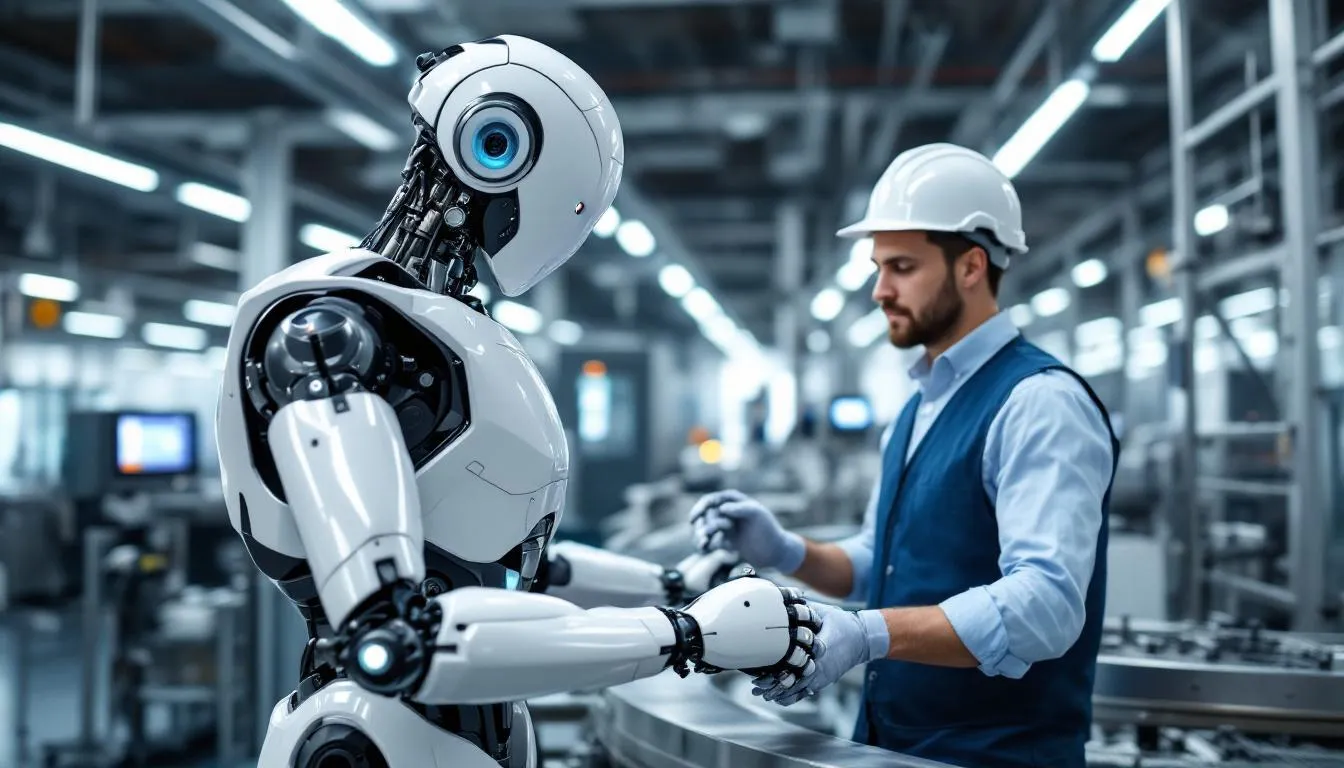
Human-AI Collaboration: Future manufacturing environments will emphasize collaboration between humans and intelligent automation rather than simple automation replacement. This approach leverages human creativity and judgment while utilizing AI capabilities for data processing and pattern recognition.
The trajectory toward fully connected, intelligent manufacturing environments continues accelerating as digital technologies become more sophisticated and cost-effective. Manufacturers who begin their digital transformation journey today position themselves to capture these future opportunities while competitors struggle with legacy systems and outdated processes.
Conclusion
Digital transformation in manufacturing represents both an unprecedented opportunity and an urgent necessity for companies seeking to remain competitive in the modern industrial landscape. With clear evidence of measurable benefits—from 15-30% cost reductions to 50% decreases in machine downtime—the business case for digital transformation continues strengthening as technologies mature and implementation expertise grows.
The manufacturers who act decisively today will capture significant competitive advantages while others remain constrained by legacy systems and outdated processes. However, success requires more than technology adoption; it demands strategic thinking, organizational commitment, and systematic implementation approaches that address both technical and human factors.
The future belongs to manufacturers who embrace digital transformation as a continuous journey of improvement rather than a one-time project. Those who begin this journey now with clear strategies, appropriate partnerships, and commitment to building digital capabilities will find themselves well-positioned to thrive in an increasingly digital manufacturing environment.
The question facing every manufacturing leader is not whether to pursue digital transformation, but how quickly they can begin capturing its benefits while building the foundation for sustained competitive success.
What should you do next?
Thanks for reading till the end. Here are 3 ways we can help you automate your business:

Do better workflow automation with Cflow
Create workflows with multiple steps, parallel reviewals. auto approvals, public forms, etc. to save time and cost.

Talk to a workflow expert
Get a 30-min. free consultation with our Workflow expert to optimize your daily tasks.

Get smarter with our workflow resources
Explore our workflow automation blogs, ebooks, and other resources to master workflow automation.